
Carnival Cure for Cabin Fever: Bring on the Busós
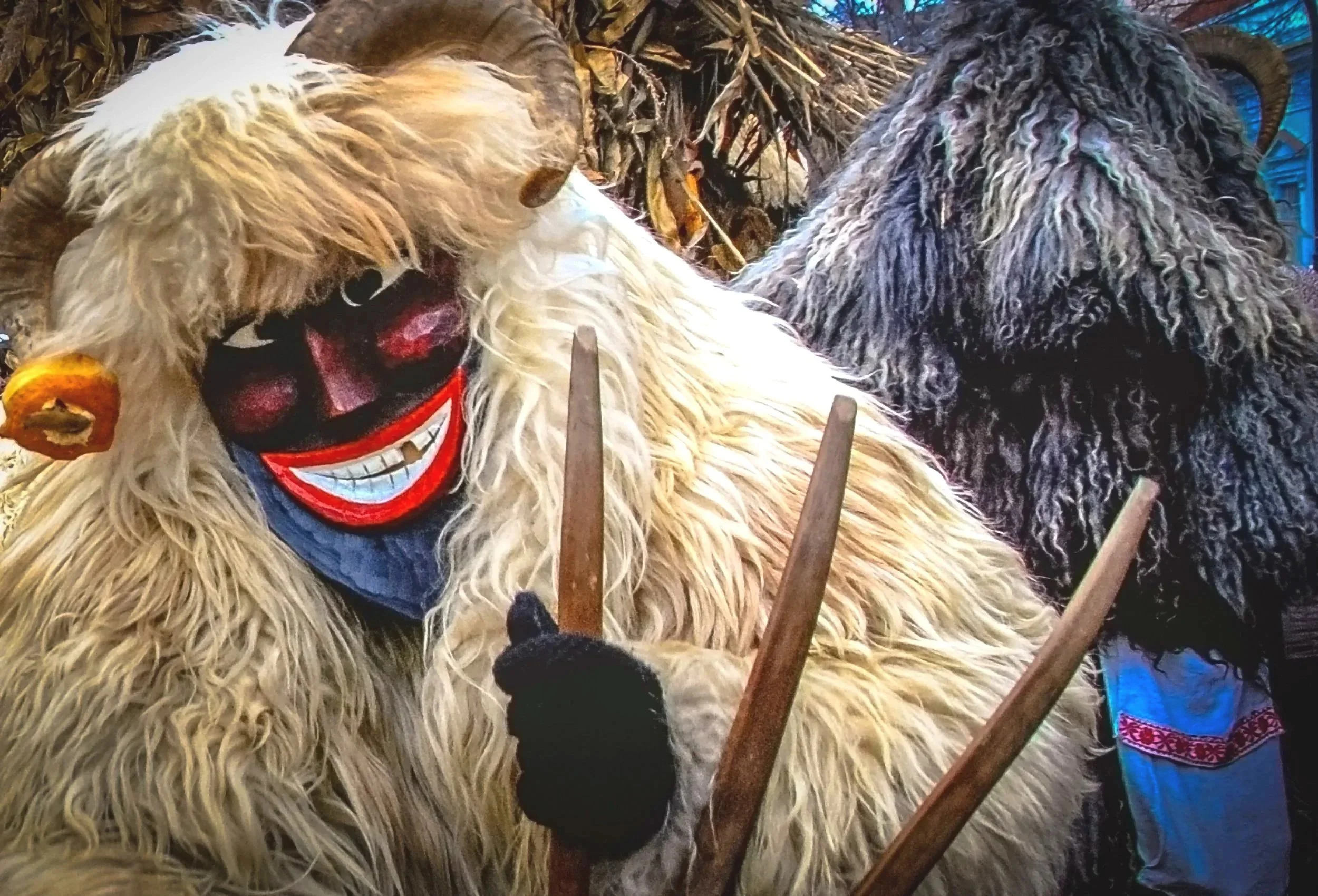
A classic Busó by Tito Slack @titoslackphoto
The past two months of this European winter have certainly kept us busy. It treated us to whooping minuses, breathtaking winter wonderlands, and a top-quality flu season spiced up with a stubborn gastroenteritis that kept even the strongest entertained for weeks, on and off. We maxed out on candlelight, warm tea, and watching movies — and I feel we are all ready for a different kind of fun to begin.
Our ancestors have long known that what we really need by now — besides the long-awaited sunshine — is a good party. So, it’s Carnival season! From the Carnival of Venice to the southern regions of the Netherlands and also here in Hungary, it’s time to get colourful.
Following the age-old idea of scaring off winter, there are countless traditions to choose from. The ingredients are simple: masquerades, parades, dancing, music, and good food. Exactly what we need to survive the last stretch of the cold season.
For example, in the Netherlands — my other national culture — the whole scene changes for the carneval season. There, even towns change their names for the season. My old town of 's-Hertogenbosch becomes Oeteldonk (“Frog Mound”), and people sew little frogs onto their jackets. But this winter, I visited a very traditional Hungarian take on carnival: the Busójárás.
Imagine a parade of men in bushy sheepskin cloaks and carved wooden masks. The masks show deliberately ugly faces with creepy grins — often missing a tooth or two. Wildly colourful socks with bouncing lint balls complete the look.
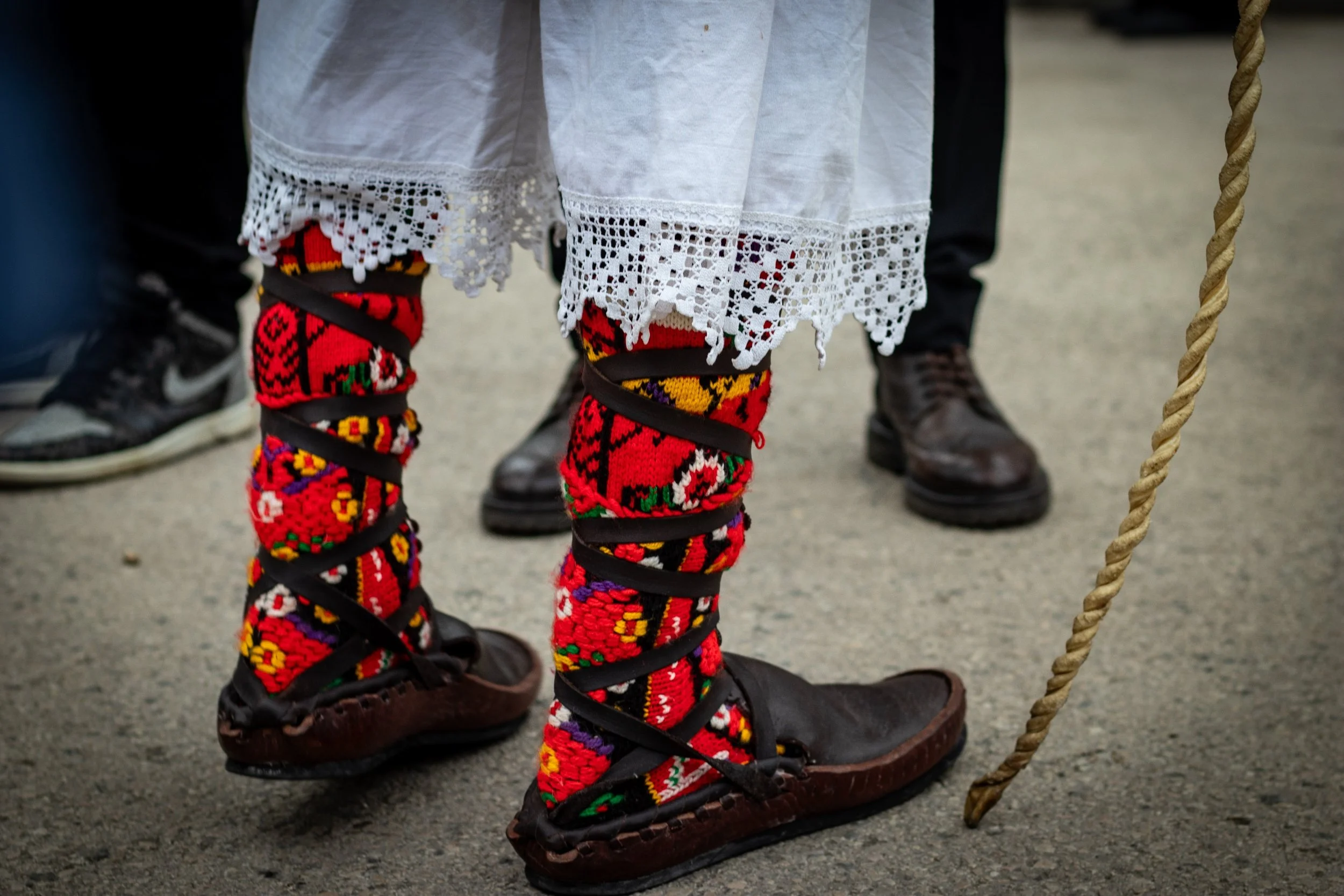
Sexy Busó socks by Melì
And it’s not just the outfit with attitude. The Busós have one too. They are mischievous. They carry wooden sticks and might — or might not — poke a lady in slightly inappropriate places. They shake rattles. They bang spoons. They create glorious chaos — all to scare away the frost and awaken the spirit of spring.
They are joined by female companions in multilayered skirts, decorated masks, and of course, the same unforgettable socks.
The joyful, slightly chaotic spectacle of the Busójárás began in Mohács. It blends Slavic folklore with carnival spirit. The original multi-day celebration is now one of Hungary’s most colourful traditions. UNESCO recognises it as Intangible Cultural Heritage.
But the Busó does not belong to Mohács alone. You’ll find the character in children’s costumes and in other towns that host smaller versions of the parade.
This year, I met the Busós in Martonvásár. It’s not the real deal. And that’s true. But I was there with small children. This quieter version felt like the perfect preparation for Mohács next year.
Instead of a roaring festival crowd, there were about twenty Busós strolling through town. We had space to approach them. To take photos. To explain to the kids what was happening. They were cheeky. But they also handed out sweets. A gentle and joyful introduction to the tradition.
A real folk band followed them. When they reached the town square, we danced too.
Martonvásár itself was a delight. It is home to Brunszvik Castle, where Ludwig van Beethoven once stayed. A large lake surrounds the castle grounds. It was the perfect first day trip of the year.
And perhaps that is exactly what Carnival is meant to do. Not just scare away winter — though we gladly assist — but remind us that light always returns. Even after weeks of sickness, grey skies, and cabin fever, colour, music, and laughter wait just outside the door. We don’t always need the biggest parade or the loudest crowd. Sometimes twenty cheeky Busós in a small Hungarian town are enough to whisper: spring is on its way.
Over to you
How do you celebrate carneval? What is your remedy for cabin fever?
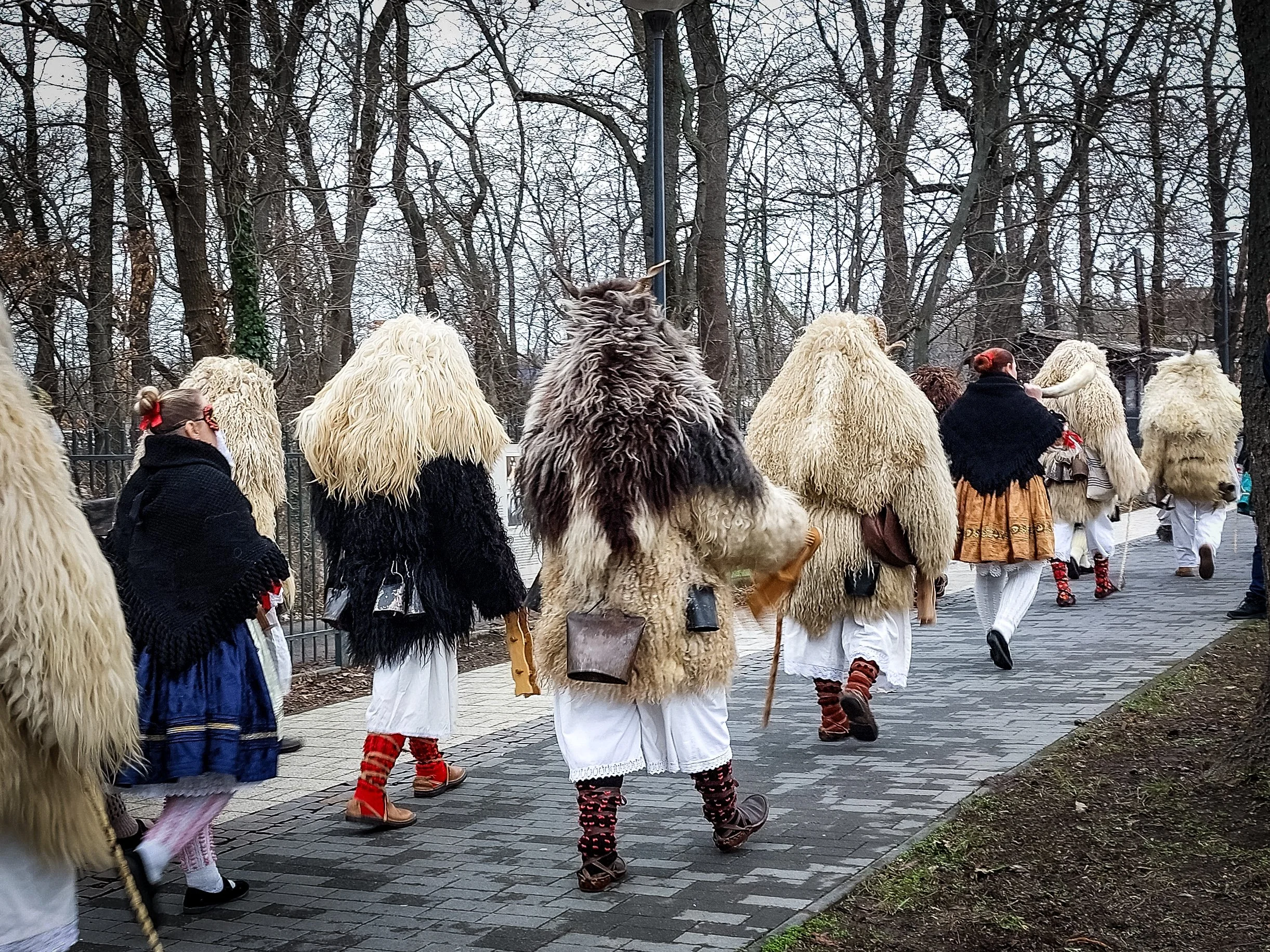
Busójárás by Melì
